

Filing for divorce is a hard step. We know you’re most probably feeling overwhelmed right now, trying to figure out how to file a divorce petition. But here’s what we want you to know: thousands of people go through this process every year. And it’s not as complicated as it seems. Understanding the process can help you take the next step with more confidence. So, let’s break down the step-by-step process of filing for divorce in India without confusing legal jargon.
How to File for a Divorce Petition in India?
Filing for divorce involves submitting a formal request to the family court to end a marriage legally. Although the basic court filing process is similar for all individuals, specific procedures and requirements can differ based on the marriage law that applies to your case. Here’s the basic process the Indian court follows:
Step 1: Understand your divorce type
There are two types of divorces, namely:
- Mutual consent: Where both partners mutually decide to take a divorce. This type of divorce is often smoother and faster. Mutual consent divorces get finalized within 6 to 12 months from filing.
- Contested Divorce: When one partner disagrees with the divorce, it’s a contested divorce. Such divorce cases are often complicated and take longer than mutual consent. The timeline for such a divorce may take 1 to 3 years or longer, depending on the lawyer, child custody, alimony, and other factors.
Step 2: Gather all your essential documents
Before you file for divorce, there are certain documents you must have. These documents include a marriage certificate, address proof, Aadhaar card, or PAN card for identity proof, passport-size photos, financial records (if any), and evidence supporting your case.
Step 3: Hire a divorce lawyer
It’s always wise to hire a divorce lawyer before filing a petition. Especially if you have children. Hiring an experienced lawyer helps you draft your petition with all the essential paperwork, safeguard your rights concerning child support, assets, or child custody, and avoid rejection by the court.
Step 4: File the petition
Once you have a lawyer and the necessary documents, you need to file your divorce petition in the family court. The court can be where you currently live, where you last lived with your spouse, or where your marriage took place.
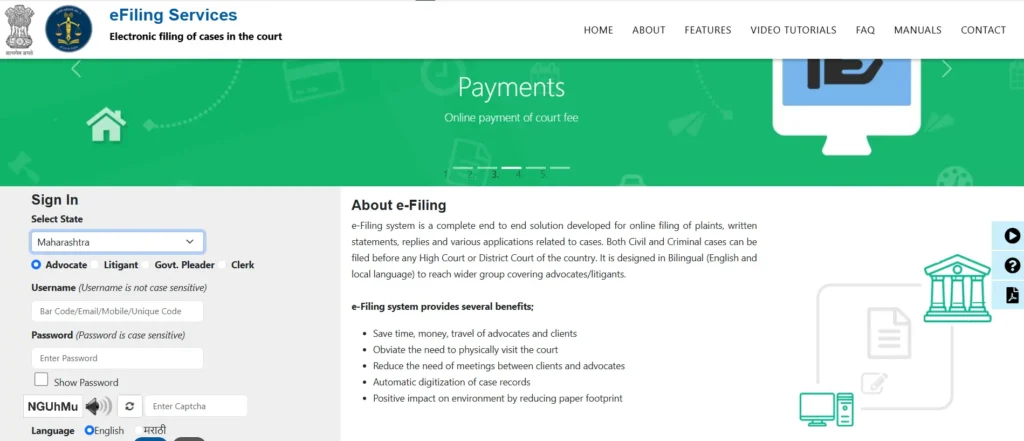
Besides, you can also file your divorce petition online on the eCourt site with the help of your lawyer. However, online filing is limited to submitting documents.
The divorce process itself continues in the family court, and physical court appearances may still be required for hearings. Once you file the petition, you have to pay court fees, which often range from 3,000 to 5,000.
Step 5: The court issues a notice to your spouse
After your divorce petition is filed, the court will send an official notice called a summons to your spouse. This is a court process that lets your spouse know you have filed for divorce, when the first court hearing is, and that they need to respond. This usually takes 2 to 4 weeks.
These are the only steps you need to follow for filing a divorce petition. From here, your divorce process starts.
What happens after filing a divorce petition?
After you file for a divorce petition, the court sends the summons to your spouse with the first hearing date. This date is often after 4 to 8 weeks of filing. The next steps are as follows:
1. First hearing: In the first hearing, both partners appear before the judge, where the court reviews your petition, verifies that both parties are present, confirms basic details, and sets dates for the next step. This hearing typically lasts 15 to 30 minutes.
2. Spouse response: If you are having a mutual consent divorce, your spouse agrees and moves to the next steps. However, if it’s a contested divorce, your spouse has to file their response, called a “counter affidavit,” within 30 to 90 days.
3. Counseling sessions: This is a mandatory step in both mutual-consent and contested cases, where the court seeks to reconcile. The court appoints a counselor who meets with both partners. Usually, there are 3 sessions spread over 2 or 3 months.
4. The cooling-off period (only for mutual consent): If it’s a mutual consent divorce, the court gives a 6-month cooling-off period. This gives you a chance to reconsider your decision. However, this is also waivable in some cases. Then, at the next hearing, if you still want the divorce, the judge issues the decree.
5. Evidence and arguments process (only for contested divorce): If your partner disagrees with the divorce or any other terms, both sides present evidence and witnesses for their case, which your lawyer handles. This is where the timeline increases. Finally, after the closing arguments, the judge issues the decree.
Conclusion
Now that you know the process of filing for divorce, you might be clear that it’s not that complicated, especially when you have a trusted lawyer beside you. If you’re still overwhelmed and confused about your decision, DivorceMeEasy is just one call away. Book your initial consultation call with us, where we will guide you with clear options and the next step. We will ensure that your legal, financial, and emotional needs are fully understood and met.
FAQ
1. What to do if my marriage certificate is missing?
You can always get a duplicate marriage certificate from the marriage registrar’s office where you got married. It usually takes 15-30 days
2. How much does it cost to file for a divorce in India?
The court filing fees are often between ₹ 3,000 and ₹ 5,000, depending on your state. However, the lawyer’s fees vary depending on the complexity of your case and location.
3. What if my spouse refuses to give me a divorce?
You can file for a contested divorce if your partner disagrees with the divorce based on legal grounds like cruelty, adultery, or desertion. However, you’ll need to prove your claims with evidence in court to get the divorce.
4. Is the divorce filing process different for men and women?
No, the divorce filing process remains the same for everyone, regardless of gender.